How Attic Ventilation Prevents Summer Heat Damage to Asphalt Shingles
When the summer sun beats down on Oklahoma City, we all know how intense the heat can get. We retreat indoors, crank up the air conditioning, and wait for the sun to set. But while you are staying cool inside, your roof is taking the brunt of that blistering heat. Many homeowners underestimate just how hot their attic can get during the peak of summer, and more importantly, how that trapped heat directly affects the lifespan of their roofing system.
While we spend a lot of time talking about how to protect homes during storm season from severe hail and straight-line winds, summer heat is a silent, ongoing threat. A well-ventilated attic is the unsung hero of a healthy home. It regulates temperatures, prevents moisture buildup, and ultimately protects your investment. Let's explore how attic ventilation extends asphalt shingle lifespan and why it is a critical component you shouldn't overlook.
The Hidden Dangers of Thermal Shock
Imagine sitting in a parked car with the windows rolled up on a 100-degree day. That is exactly what happens in your attic if it doesn't have proper airflow. Without a way for hot air to escape, attic temperatures can easily soar past 150 degrees. This extreme, trapped heat doesn't just stay in the attic; it radiates outward, essentially baking your shingles from the inside out.
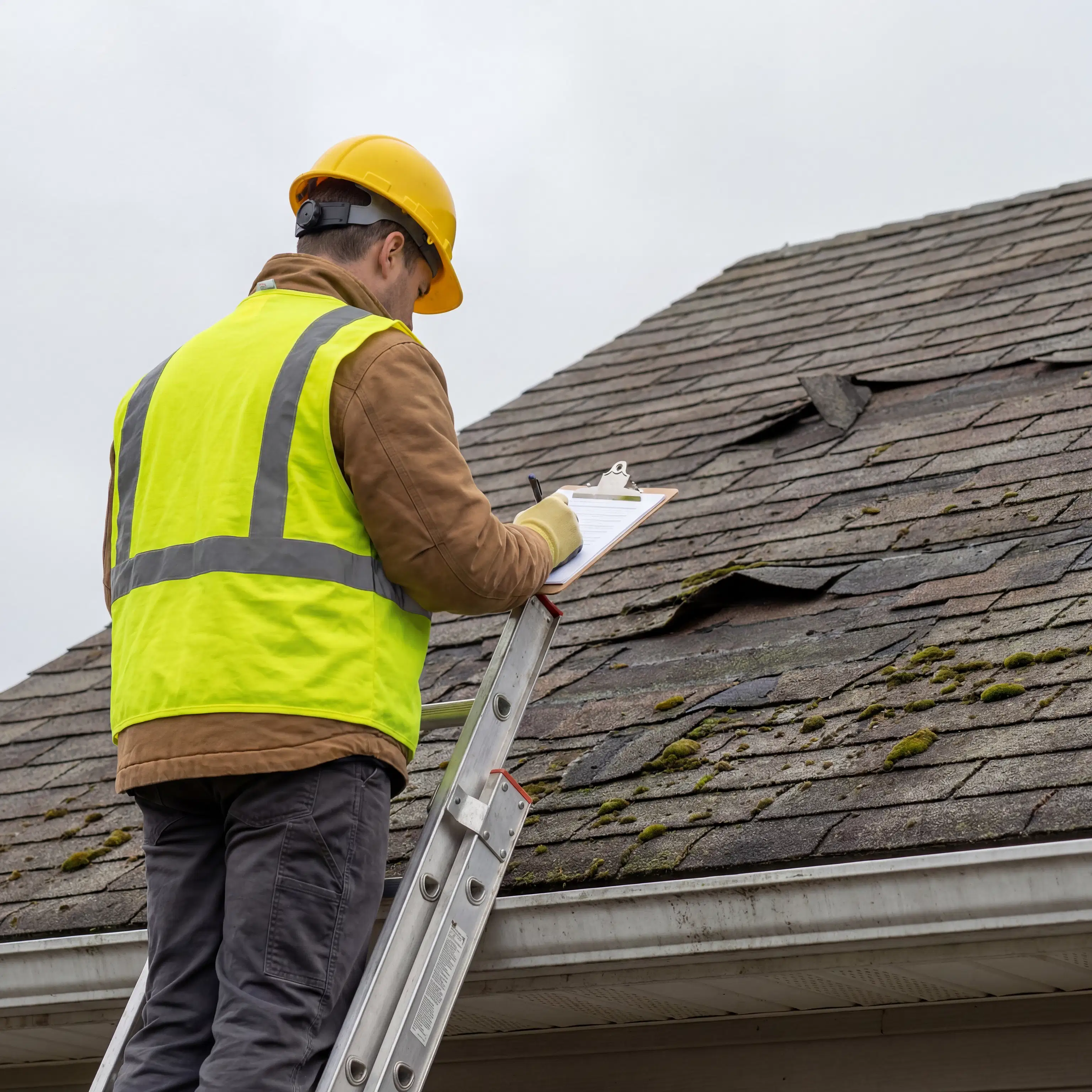
Over time, this intense baking process accelerates the aging of your roof. You might start noticing signs of thermal shock and heat damage on shingle roof surfaces. The edges of the shingles may begin to curl or cup, making them highly vulnerable to being torn off by the next gust of Oklahoma wind. You might also see severe blistering on the shingle surface, which leads to premature granular loss. Those tiny granules are what protect the asphalt from UV rays, so once they wash away, the deterioration speeds up dramatically.
Many folks call us asking how to choose between repairing a roof leak and getting a full replacement. Often, if a roof has suffered from years of poor ventilation and widespread heat blistering, a localized repair won't hold up. The entire system has been compromised by the heat, making a full replacement the most financially sound decision.
Balancing Intake and Exhaust for Maximum Efficiency
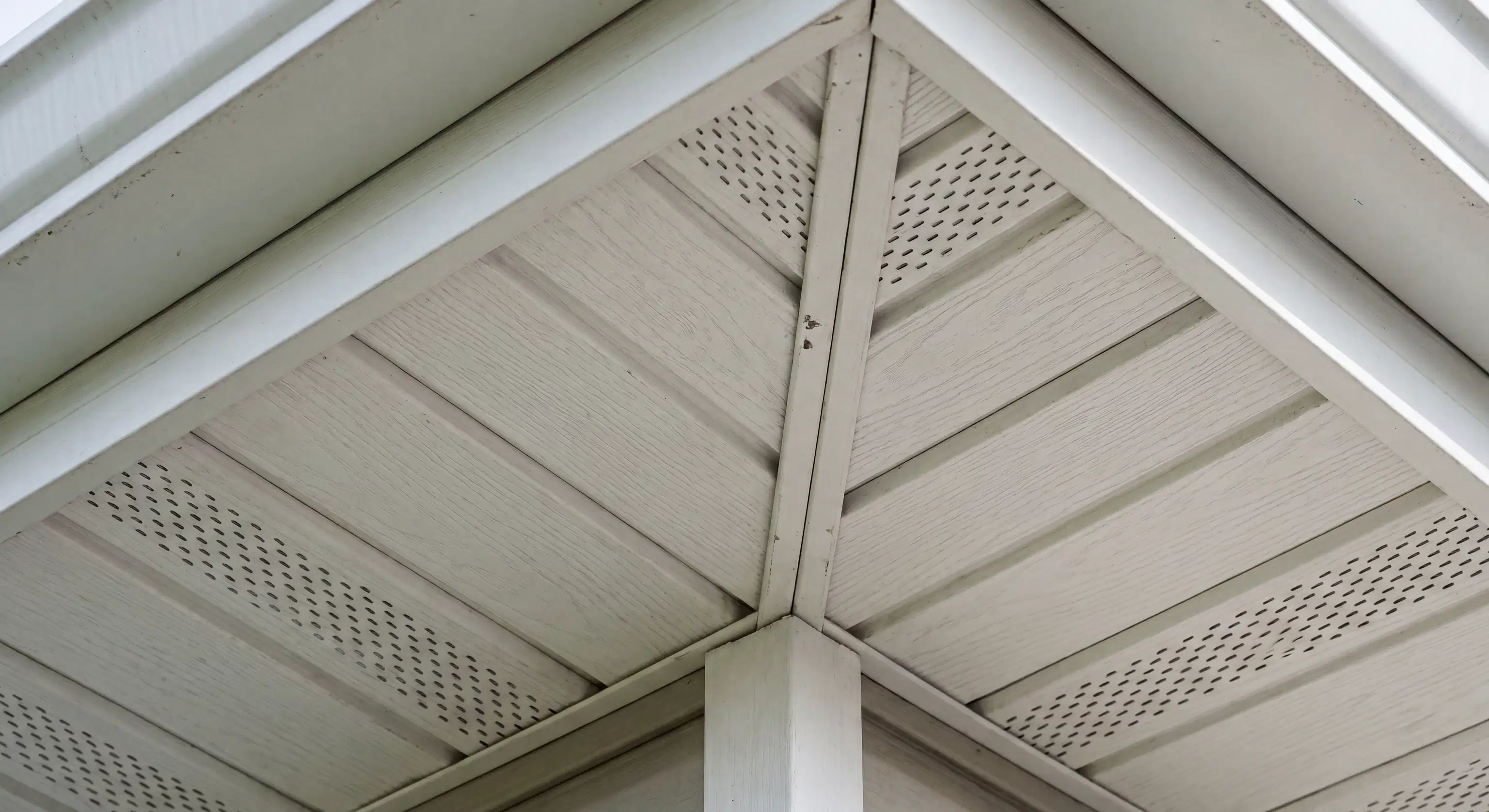
Proper attic ventilation isn't just about cutting a few holes in the roof and adding vents. It requires a carefully calculated balance between intake ventilation (usually located in the soffits under your eaves) and exhaust ventilation (typically ridge vents installed along the peak of the roof).
Cool, fresh air must be able to enter through the lowest point of the attic, naturally pushing the hot, stagnant air out through the highest point. If this system is out of balance, the air stalls, and the heat stays trapped. This is why reducing high energy bills with proper roof venting is entirely possible. When your attic breathes correctly, your air conditioner doesn't have to work overtime to cool the living spaces directly below it, leading to noticeable savings on your monthly utility bills.
When you are planning a residential roof replacement, it is the perfect time to evaluate the entire system. Simply slapping new shingles over an improperly vented attic guarantees that your new roof will suffer the same premature failure as the old one. We always assess the current airflow and focus on upgrading roof intake vents during full roof replacement projects if the existing setup is inadequate. Pairing a balanced ventilation system with durable, impact-resistant Class 4 shingles ensures your home is protected against both the extreme summer heat and the inevitable spring hail.
How Gutters Protect Your Ventilation System
It might surprise you, but your gutters play a vital role in maintaining proper roof ventilation. If your gutters are constantly overflowing or clogged with red dirt and debris, water will eventually back up into the fascia and soffits. Over time, this moisture causes the wood to rot and can block or damage the crucial intake vents located under your eaves.
If your intake vents are blocked by water damage or debris, your entire attic ventilation system fails. Ensuring you have a seamless, properly functioning drainage system is a necessary step in full-home protection. If your current system is failing, professional gutter installation will protect your home's foundation and keep your roof's intake vents clear and dry.
Trust a Local Expert with Your Roof's Health
When extreme weather hits The Metro, it often brings a flood of out-of-state storm chasers. These temporary crews frequently overlook the technical aspects of roofing, like calculating proper ventilation, and instead just nail down shingles as fast as possible before leaving town. Your home deserves the care and attention of a dedicated local team that understands the unique demands of our climate.
If you are fixin' to replace your aging roof, or if you suspect your attic is trapping heat and driving up your energy bills, we are here to help. Contact Weems Roofing & Construction LLC in Edmond today for a thorough, honest inspection. You can easily reach our team by visiting our contact us page to schedule a consultation. Let's make sure your roof is built to handle the heat and built to last.