Is It Time? 5 Key Signs Your Oklahoma Asphalt Shingles Need Replacing
Your roof is your home's first and most important line of defense against the elements. Here in the Oklahoma City area, that means it stands up to intense sun, powerful winds, and the notorious hail that comes with our severe weather season. While modern asphalt shingles are built to last, they don’t last forever. So, how can you tell when your roof is moving from a seasoned protector to a potential liability?
Ignoring the subtle warning signs of an aging roof can lead to bigger, more expensive problems down the road, like leaks, water damage, and compromised structural integrity. Understanding what to look for can help you make a proactive, informed decision about your home's future. This guide will walk you through the five key signs that indicate your asphalt shingle roof may be nearing the end of its lifespan.
1. The Age of Your Roof
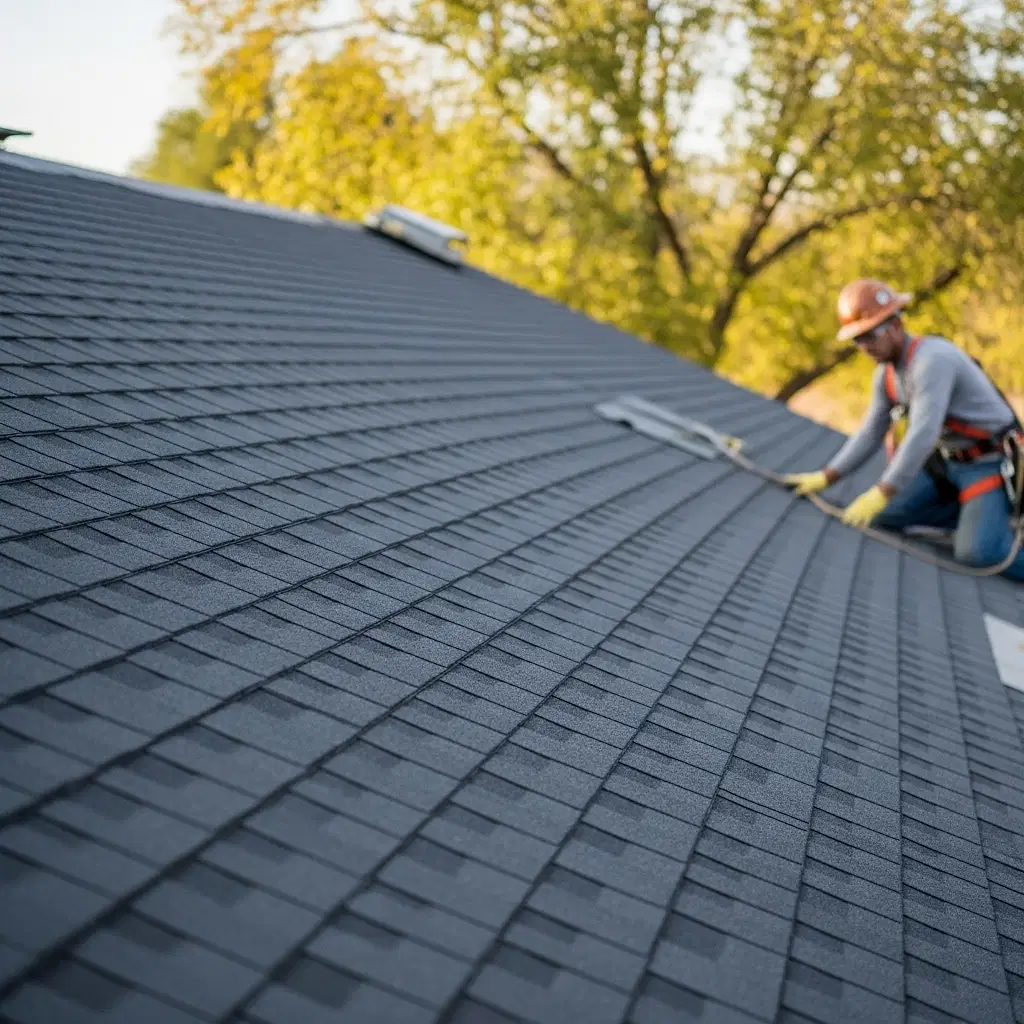
One of the most straightforward indicators is your roof's age. Most asphalt shingle roofs are designed to last between 20 and 30 years. However, the answer to the question, "How long does a roof last in Oklahoma?" is often more complicated. The relentless cycle of heat, hail, and high winds in Tornado Alley can significantly shorten that expected lifespan.
If your roof is approaching the 20-year mark, it’s wise to start paying closer attention and budgeting for a potential replacement. If you've recently purchased your home and are unsure of the roof's age, a professional inspection can provide a reliable estimate based on the condition of the materials.
2. Curling, Cracking, or Buckling Shingles
Take a look at your roof from the ground on a clear day. Do the edges of your shingles appear to be curling upwards, or are the centers starting to buckle and pop up? This is a common sign of an aging roof.
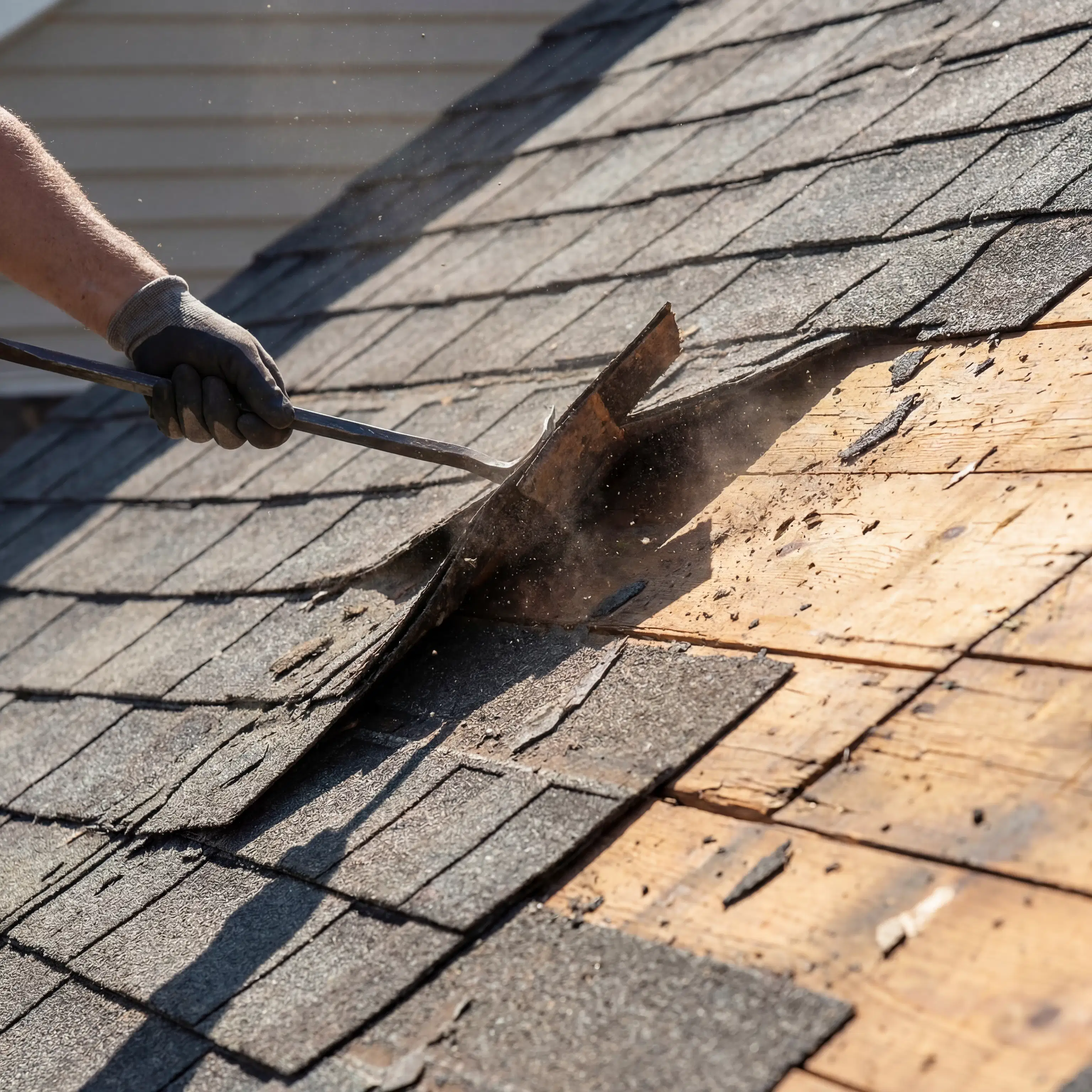
- Curling Shingles: This often happens as the shingles age and lose their moisture content, causing them to shrink and curl at the edges. This makes them highly susceptible to being lifted and torn off by wind.
- Buckling Shingles: This can be a sign that moisture has gotten underneath the shingles, causing the underlying roof decking to shift or warp.
- Cracked Shingles: Years of thermal shock (the expansion and contraction from hot days to cool nights) and wind can cause visible cracks to form.
Any of these conditions compromise your roof's ability to shed water effectively, creating pathways for leaks to develop. While a few damaged shingles might be addressed with a professional repair, widespread curling or cracking is a strong indicator that a full replacement is needed.
3. Excessive Granule Loss in Your Gutters
Have you noticed a build-up of coarse, black, sand-like material in your gutters or at the base of your downspouts? Those are asphalt granules. These granules form the top layer of your shingles and are essential for protecting them from the sun's damaging UV rays and adding fire resistance.
It's normal for a new roof to shed some excess granules, but if you have an older roof and you're seeing a significant accumulation, it's a red flag. This heavy granule loss means your shingles are becoming brittle and their protective layer is wearing away, accelerating their deterioration. Your roof is becoming more vulnerable with each passing storm.
4. Missing Shingles and Damaged Flashing
This is one of the most obvious signs of roof trouble. A single missing shingle can expose your home to the elements, but if you're noticing multiple bare patches, it points to a more systemic failure. It could mean the adhesive seals on the shingles have weakened with age, making them unable to withstand Oklahoma's high winds.
At the same time, check the areas around your chimney, vents, and skylights. The metal strips that seal these joints are called flashing. If the flashing is cracked, bent, or rusted, it can no longer create a watertight seal, making these areas prime spots for leaks to start.
5. Leaks, Water Stains, and Sagging
Signs of trouble aren't always on the outside. Water stains on your ceilings or walls are a clear indication that your roof's integrity has been compromised. It's crucial to investigate these signs immediately, as even a small leak can lead to mold, mildew, and rotting roof decking over time.
Another critical warning sign is a sagging roof deck. If you notice a droop or depression in the roofline, it could signal a serious structural issue, often caused by trapped moisture weakening the underlying wood. If you see any sagging, contact a professional roofer immediately for an emergency inspection.
Your Trusted Partner for Roofing in Oklahoma City
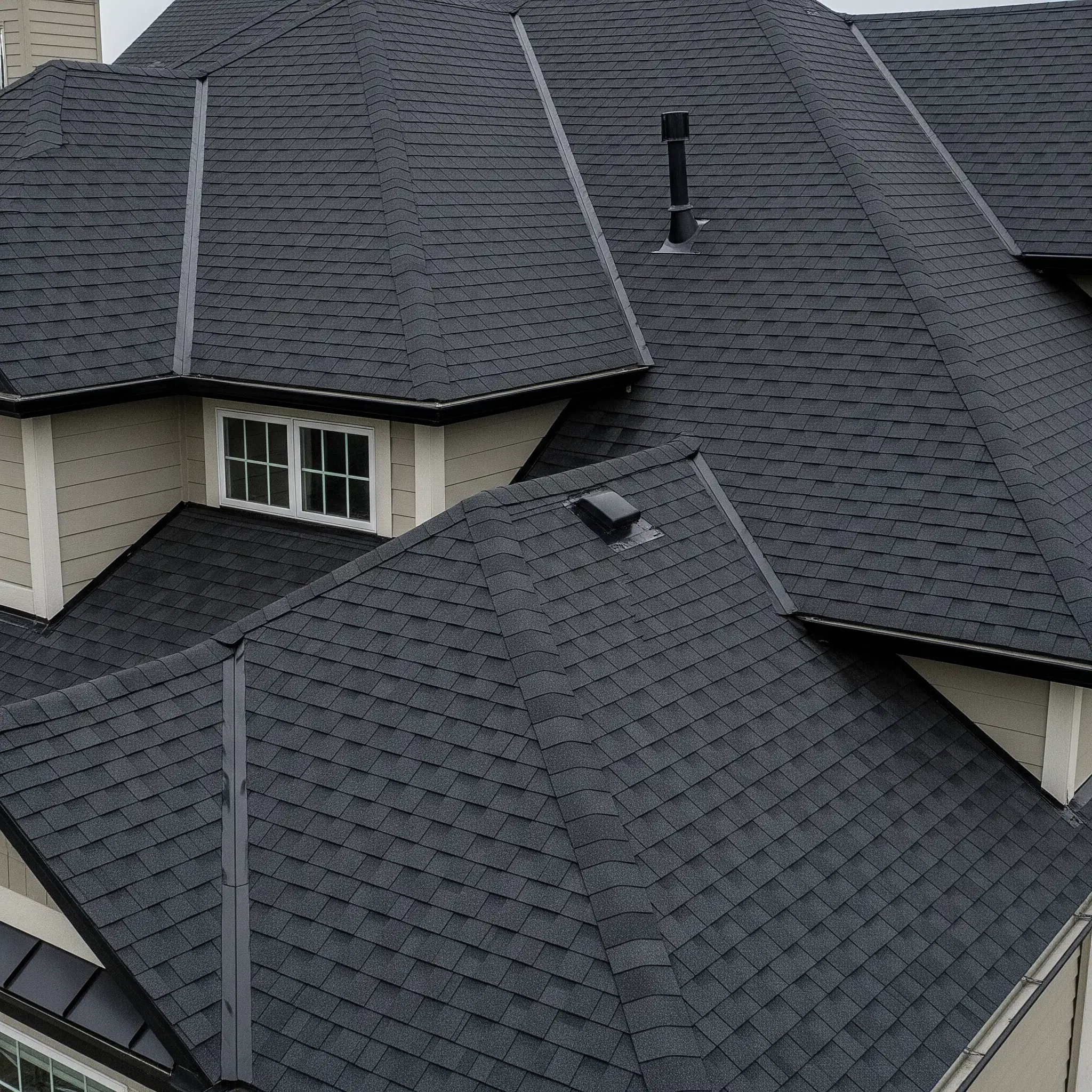
Noticing one or more of these signs can be stressful, but you don't have to make the decision alone. An honest, local roofing professional can provide a thorough inspection and give you a clear picture of your roof's health, helping you decide if a simple repair will suffice or if a full residential roof replacement is the wisest investment for protecting your home.
If you've seen any of these warning signs, don't wait for the next storm to reveal a bigger problem. Contact Weems Roofing & Construction LLC today for a comprehensive and transparent roof inspection. We are committed to providing our Oklahoma City neighbors with durable, high-quality roofing solutions and peace of mind.